Updated October 10, 2026
CS2’s latest anti cheat discussion centres on VACNet video review changes and players reporting VAC Live cooldowns. These developments involve Valve’s existing systems. They do not establish that VAC has been replaced by an entirely new anti cheat.
Here is what has changed, what players are reporting and what the different warnings mean.
What Is the CS2 New Anti Cheat?
CS2 still relies on Valve Anti Cheat and VACNet. VAC handles cheat detection and game tampering, while VACNet focuses more heavily on suspicious behavior inside matches.
Valve has also tested VACNet 3.0 and live match intervention, where certain detections can cause a match to be cancelled.
If you want the full background, our guide on how VAC works in CS2 explains how VAC, VACNet, delayed bans and match cancellations fit together.
The newest changes are mainly about making VACNet harder to bypass and giving Valve better data to work with.
Valve Fixed a Major VACNet Bypass
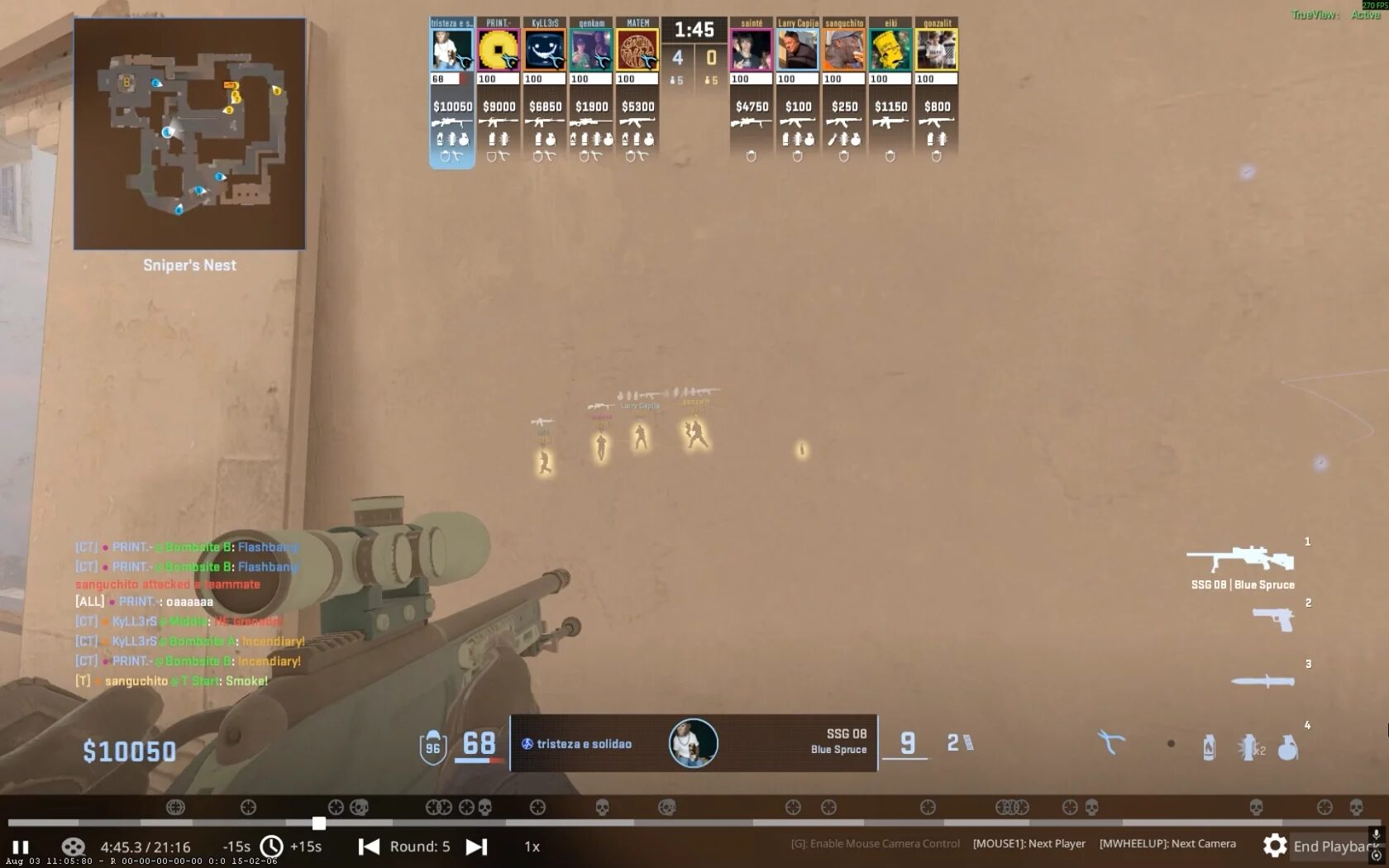
In a recent CS2 update, Valve confirmed that it had fixed a bug that allowed malicious players to avoid being processed by VACNet.
That wording matters.
Valve did not say VACNet had been replaced or that a completely new anti cheat had launched. The update fixed a way for suspicious players to avoid VACNet processing in the first place.
For anyone following the CS2 cheating problem, this is one of the more important anti cheat related changes Valve has confirmed recently.
You can also follow our CS2 update today page for broader patch changes.
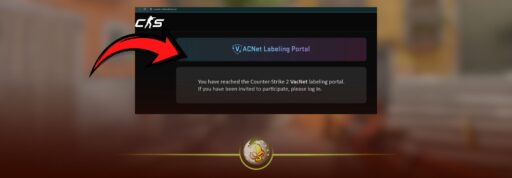
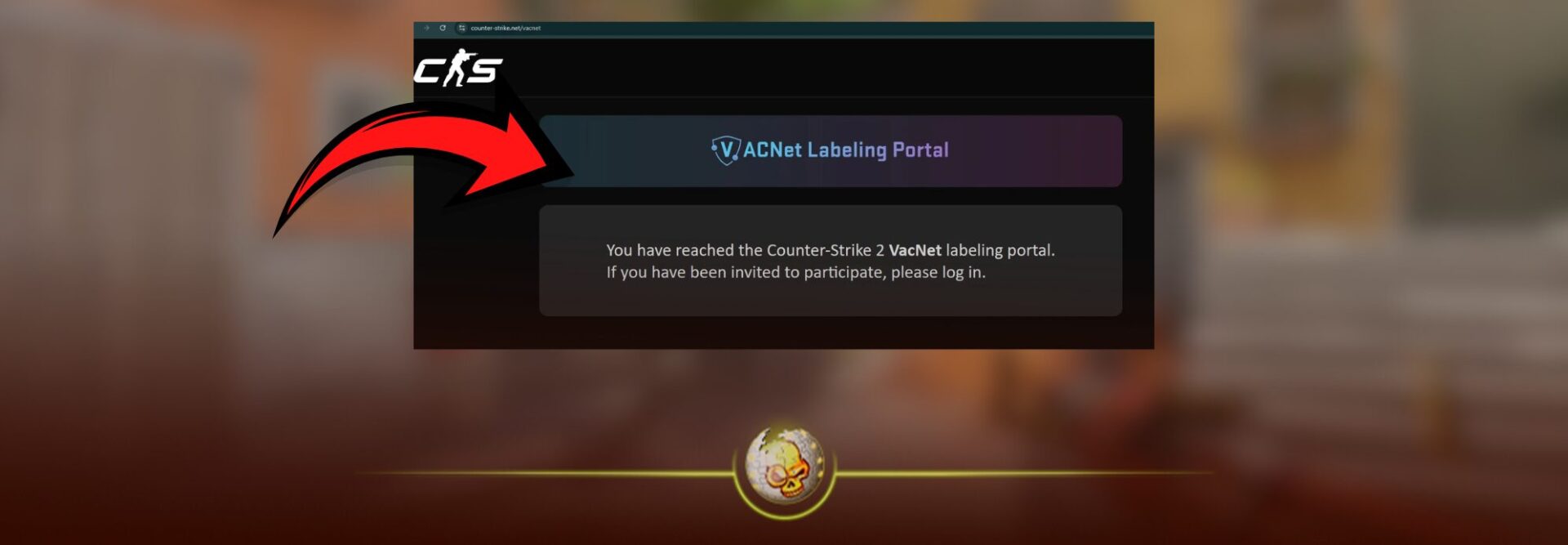
Valve Launches a New VACNet Labeling Portal
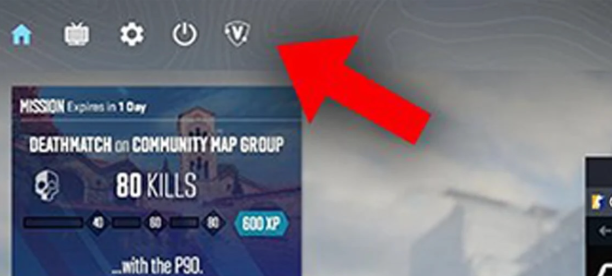
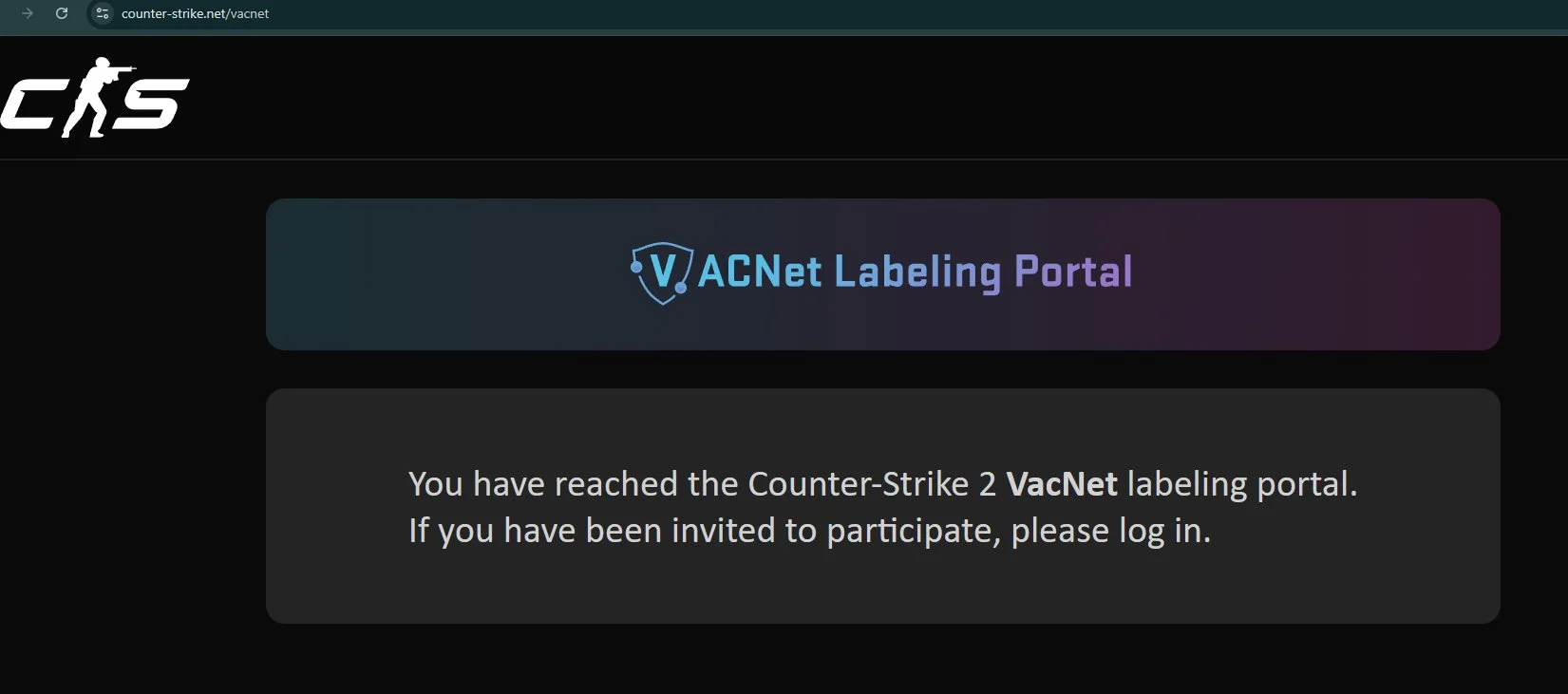
Valve’s official CS2 Video Review portal remains invitation only. It lets selected participants review gameplay and provide labels.
Instructions shared from the portal explain that reviewer verdicts do not directly punish the player being watched. Instead, the labels may help train future VACNet models.
Our VACNet Labeling Portal guide covers access and video review in more detail.
Will the New CS2 Anti Cheat Stop Cheaters?
It is too early to say.
Closing a VACNet bypass is a real improvement, and better labeled gameplay could help Valve improve detection over time. Neither change means cheating will suddenly disappear from Premier.
Valve has also not announced a new kernel level anti cheat or confirmed that VAC is being replaced. As of August 12, the confirmed changes point toward improving VACNet rather than launching a completely different anti cheat.
Players deciding where to grind can compare FACEIT vs Premier, since FACEIT runs its own anti cheat. Our FACEIT CS2 ranks guide explains its Elo system, while our CS2 Premier ratings guide covers Valve matchmaking.
What This Means for Regular Players
For legitimate players, there is nothing new to install. These changes are happening inside Valve’s existing anti cheat system.
If you see the message “VAC was unable to verify your game session,” that also does not automatically mean you are banned. Our VAC verification error guide covers that separately.
And if a match simply feels strange, check our guide on why CS2 feels laggy before assuming someone is cheating.
For now, the CS2 new anti cheat story is really about VACNet getting stronger tools. Valve has closed a processing bypass and introduced a new human labeling system. That is promising, but the real test will be whether Premier matches actually become cleaner over the coming weeks.