
Steam discovery may be changing in a big way.
For years, indie developers treated Steam wishlists like the main fuel behind a successful launch. Build enough wishlists, land in the right store section, get seen by more players, and hope that snowballs into sales.
Now, reports suggest Steam’s Popular Upcoming section may be much harder to reach. The old unofficial target was believed to be around 7,000 wishlists. The new number being discussed is closer to 100,000 wishlists.
That is a massive jump, especially for smaller studios.
The Steam 100,000 wishlist policy has not been confirmed by Valve as a public rule, but the reaction from developers makes one thing clear. Steam discovery is becoming more competitive, and indie games may need to rely less on one big public list and more on personalized discovery tools.
What is the Steam 100,000 wishlist policy?
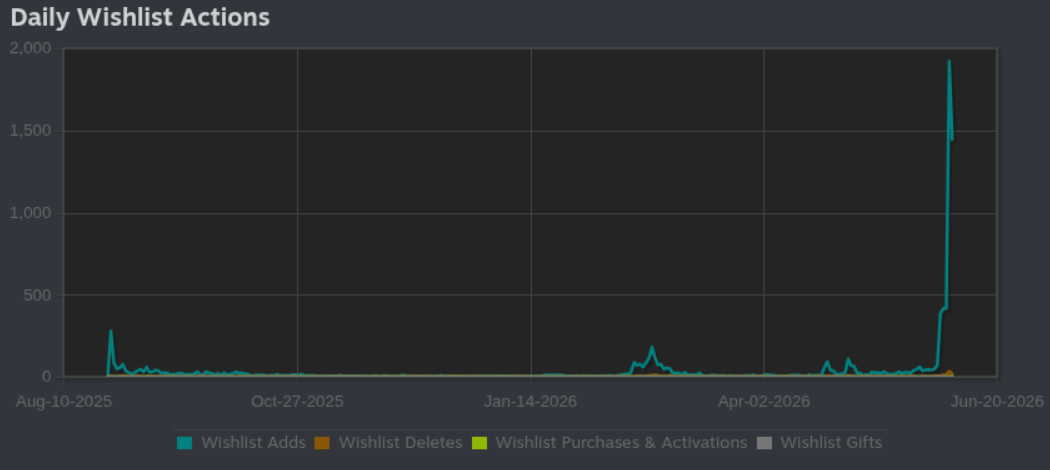
The Steam 100,000 wishlist policy refers to the reported change around Steam’s Popular Upcoming section.
Popular Upcoming is one of the most valuable areas of the Steam store because it shows players games that are close to release and already gaining attention. For an indie developer, appearing there can mean thousands of extra page visits, wishlists, and launch day sales.
The problem is that if the entry point is now closer to 100,000 wishlists, most indie games will not realistically qualify.
That does not mean smaller games are finished on Steam. It just means the path to visibility may look different.
Steam has been moving more toward personalized recommendations, which means the store is trying to show players games that match their actual taste instead of showing everyone the same upcoming releases.
For players, this could make the store feel cleaner. For developers, it means genre fit, tags, trailers, capsules, and wishlists from the right audience matter more than ever.
Why this matters for indie developers
A large studio can push a new game with ads, influencers, press coverage, and an existing fanbase. Most indie developers do not have that luxury.
That is why Steam wishlists are so important. They act like early interest signals. If enough people add a game to their wishlist, Steam has more reason to show it to more users.
The issue with a 100,000 wishlist target is simple. That number is out of reach for most smaller games before launch.
Even a solid indie game with strong visuals, a good demo, and a niche community might only reach a few thousand wishlists. Under the old Popular Upcoming system, that could still be enough to get a useful boost. Under the newer reported system, that same game may need to find visibility somewhere else.
This is similar to how other Steam ecosystems work. In CS2, for example, visibility and demand can shift quickly depending on updates, market behavior, and player attention. You can see that same Steam driven effect in topics like the CS2 skin market recovery and the wider CS2 skins market cap.
Steam is not just a store. It is the engine behind a massive gaming economy.
The Personal Calendar may be the new discovery tool to watch
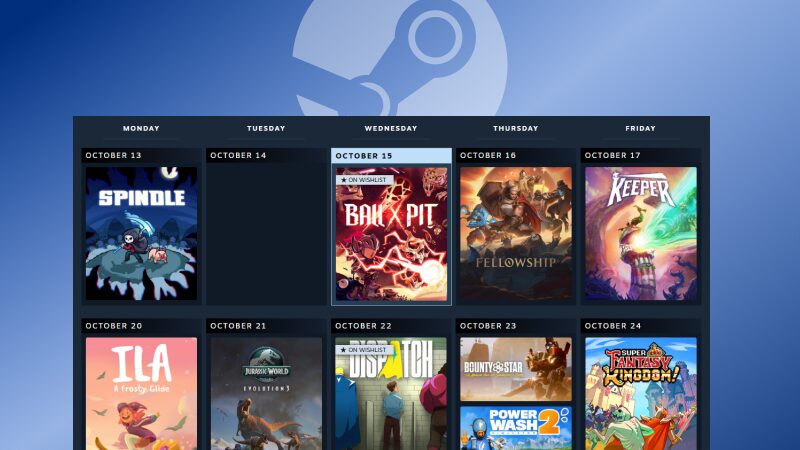
The biggest replacement for smaller developers could be Steam’s Personal Calendar.
Instead of showing one universal list to everyone, the Personal Calendar recommends upcoming and recently released games based on each player’s interests. That includes things like playtime, wishlists, similar users, and game preferences.
This is where indie games may still have a chance.
A small horror game does not need to be shown to every Steam user. It needs to be shown to horror fans. A tactical shooter does not need random puzzle game players clicking past it. It needs to land in front of people who already play tactical shooters.
That is the advantage of personalized discovery.
Steam’s Personal Calendar could give smaller games fewer total impressions, but better quality impressions. In simple terms, fewer people may see the game, but the people who do see it are more likely to care.
This is also why Steam tags, store images, trailers, and genre clarity matter more now. If a game looks too generic, Steam may have a harder time matching it with the right players.
Popular Upcoming is not dead, but it may be less reliable
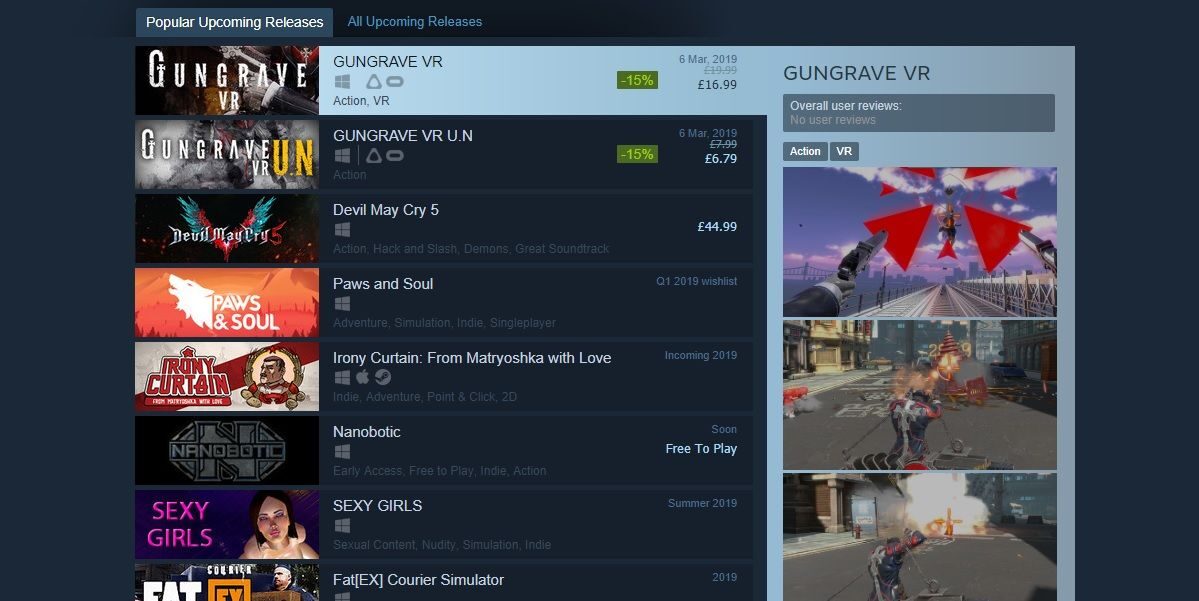
Popular Upcoming is still useful. It is still a high visibility section, and games can still benefit from landing there.
The difference is that indie developers probably should not build their entire launch plan around it anymore.
If the Steam 100,000 wishlist policy becomes the new normal, smaller studios will need to think about discovery in layers:
- Build wishlists early
- Set a clear release date
- Make the Steam page easy to understand
- Use the right tags
- Release a demo when possible
- Push content creators before launch
- Aim for Personal Calendar visibility
- Treat Popular Upcoming as a bonus, not the full plan
This is not that different from how CS2 players approach Steam features. Whether you are fixing the Steam Community in game overlay for CS2, learning about a Steam API key, or checking Steam Machine CS2 performance, Steam systems often reward people who understand how the platform works.
The same is true for developers.
What players should expect
For players, this change may actually be a good thing.
Steam has a huge number of games releasing constantly. A single public list can easily become crowded, especially when big studios and highly wishlisted titles dominate the top spots.
Personalized tools may help players find smaller games that match their actual taste instead of only seeing the biggest upcoming releases.
That means you may discover more niche games, more experimental games, and more titles that would have been buried before.
For CS2 players, Steam already plays a huge role in everything from trading to account tools. Guides like CS2 skin trading for beginners, how to remove Steam trade hold, and how to get free CS2 skins all show how much Steam features can shape the player experience.
Now, that same idea is hitting game discovery itself.
Final thoughts
The Steam 100,000 wishlist policy sounds scary for indie developers, but it may not be the end of indie discovery.
It is more likely a shift.
Instead of chasing one huge public placement, developers may need to focus on getting in front of the right players through Personal Calendar, genre targeting, better Steam pages, stronger demos, and steady pre launch marketing.
The old Steam launch playbook was about getting enough wishlists to break into Popular Upcoming. The new one may be about proving to Steam that your game belongs in front of a specific audience.
For indie developers, that means the goal is not just more visibility.
It is better visibility.
FAQ
Is Steam really requiring 100,000 wishlists?
The 100,000 wishlist number is currently being reported as an industry estimate, not an official public rule from Valve. The main idea is that Popular Upcoming appears to have become harder to reach.
What was the old Steam wishlist target?
Many developers previously treated around 7,000 wishlists as an unofficial benchmark for gaining Popular Upcoming visibility. That number was never a guaranteed rule, but it was widely discussed in indie marketing circles.
What is Steam Personal Calendar?
Steam Personal Calendar is a personalized discovery feature that shows players upcoming and recent games based on their interests, playtime, wishlists, and similar user behavior.
Does this hurt indie games?
It can make the old discovery route harder, but it does not remove indie visibility completely. Smaller games may now need to focus more on personalized discovery, strong genre signals, and targeted pre launch marketing.